The dental lab industry has always been shaped by technology, but few innovations have changed day-to-day production workflows as quickly as 3D resin printing. What was once seen as a niche tool for models or temporary applications is now becoming a serious production asset for modern dental labs. For lab owners, that shift matters—not just because it looks innovative, but because it can directly impact speed, consistency, labor efficiency, and profitability.
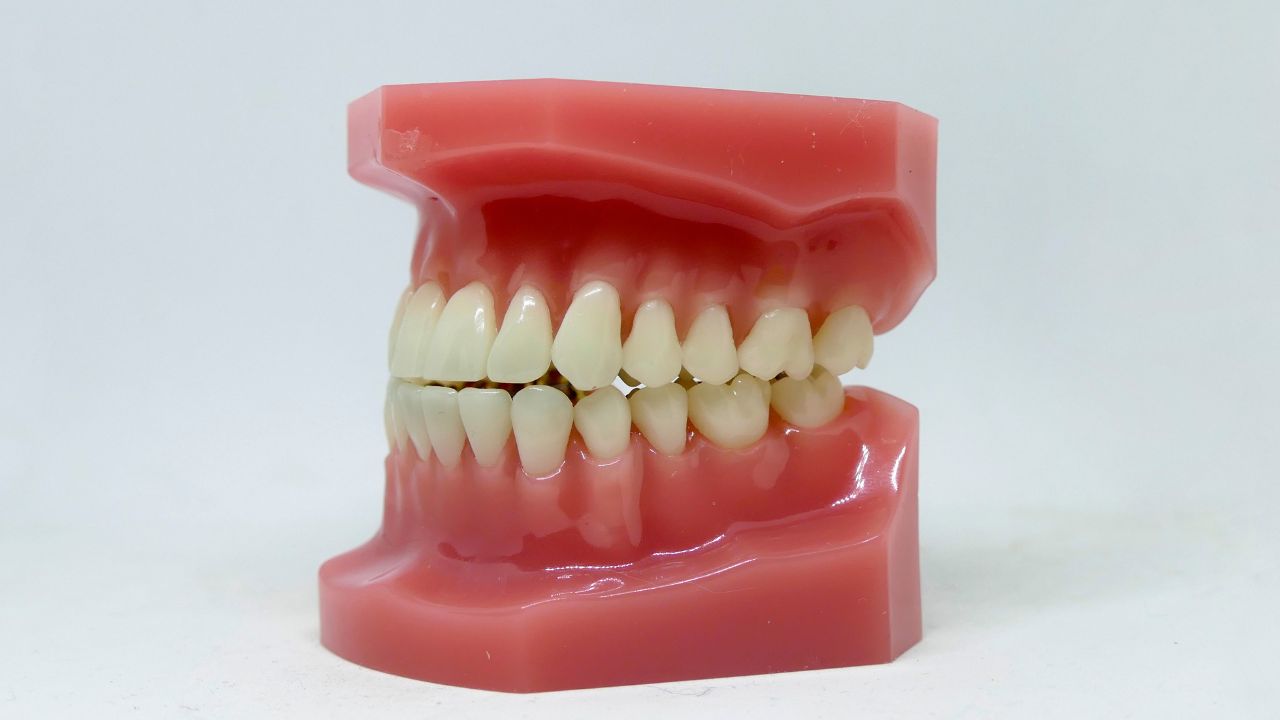
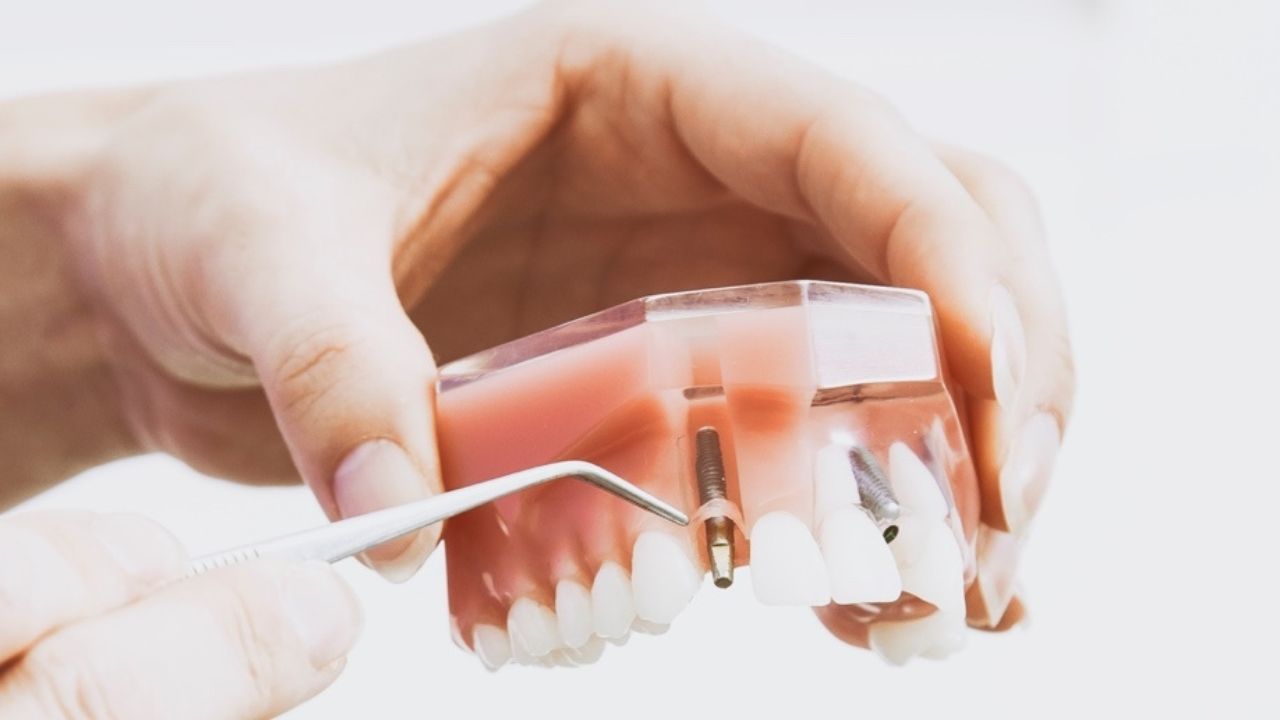
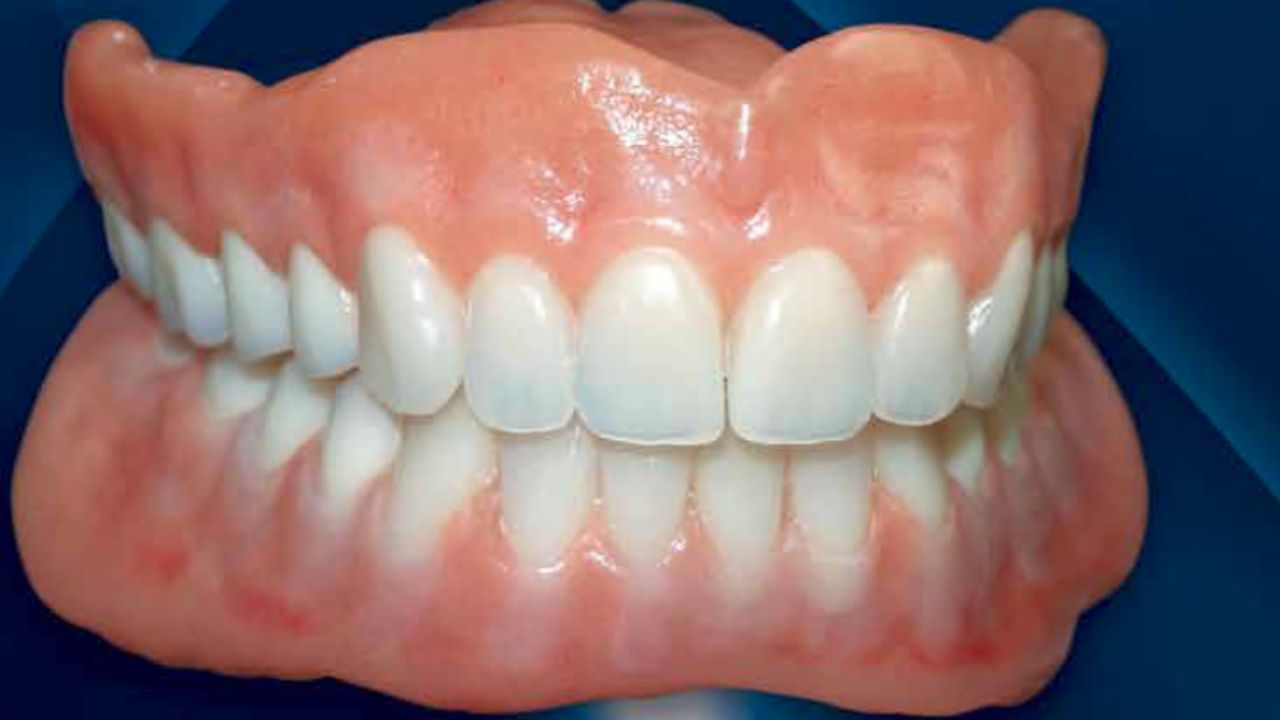
Today’s advanced dental resins are opening the door to a broader range of applications than ever before. Labs are no longer limited to printing simple study models. Depending on the printer, resin, and validation workflow, labs can now produce surgical guides, custom trays, splints, denture bases, try-ins, temporary restorations, and model work with greater precision and repeatability. That means more of the workflow can stay digital, reducing the number of manual touchpoints that traditionally slow production down.
For lab owners, one of the biggest advantages is workflow compression. Traditional analog processes often involve multiple handoffs, more room for remakes, and greater dependence on highly skilled manual labor. With 3D resin workflows, a case can move from scan to design to print with fewer bottlenecks. Once the system is dialed in, technicians can batch-print multiple cases overnight or during off-hours, turning printer time into productive time without requiring constant supervision. In an industry where labor shortages and rising production costs continue to pressure margins, that kind of efficiency matters.
Another major benefit is standardization. Resin-based workflows help create more predictable outcomes because the process is built around repeatable digital files, validated print parameters, and consistent post-processing protocols. For a lab owner, that means less variability between technicians, more scalable training for new team members, and stronger quality control across product categories. It also becomes easier to build documented systems instead of relying on “tribal knowledge” held by only a few experienced technicians.
3D resin also gives labs more flexibility in how they position themselves in the market. Labs that embrace resin printing can often offer faster turnaround times, expand into new service categories, and support more digitally driven dental practices. That’s especially important as more doctors adopt intraoral scanners and expect labs to operate with the same level of speed and digital responsiveness. In many cases, the lab that can move faster and communicate digitally becomes the lab that keeps the account.
Of course, success with 3D resin is not just about buying a printer. The real advantage comes from building the right workflow around the technology—including validated materials, reliable curing and washing protocols, staff training, and clear case selection. Labs that treat 3D resin as a strategic workflow tool—not just a shiny piece of equipment—are the ones most likely to see real returns.
The future of dental lab production is not purely analog or purely digital. It’s hybrid. But 3D resin is becoming one of the strongest bridges between those worlds. For lab owners looking to improve efficiency, reduce friction, and stay competitive in a faster-moving market, resin printing is no longer just an experiment—it’s becoming a serious operational advantage.