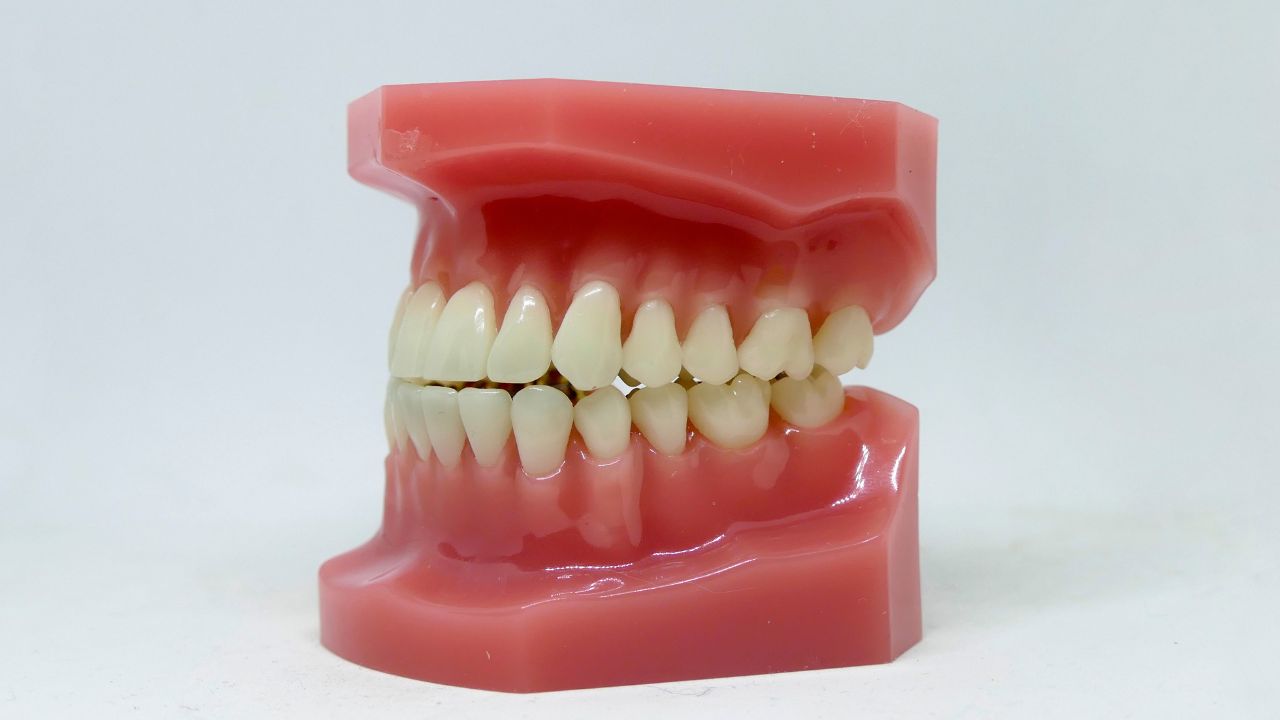
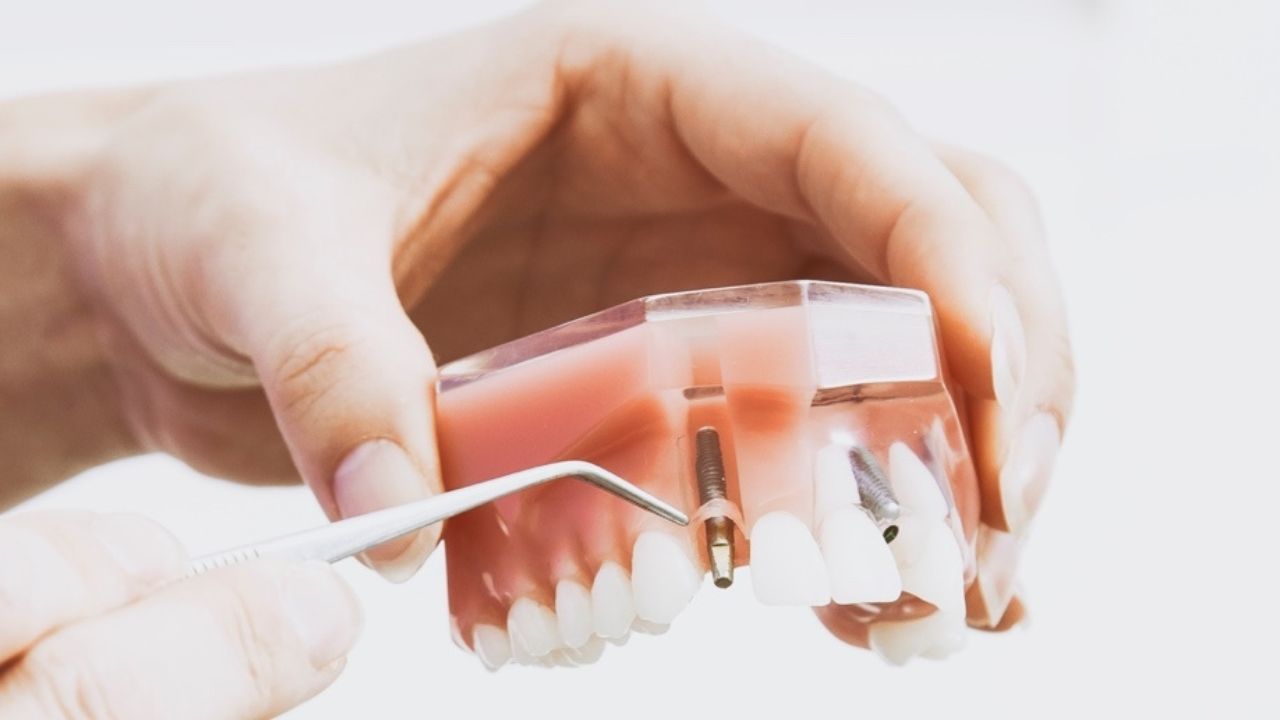
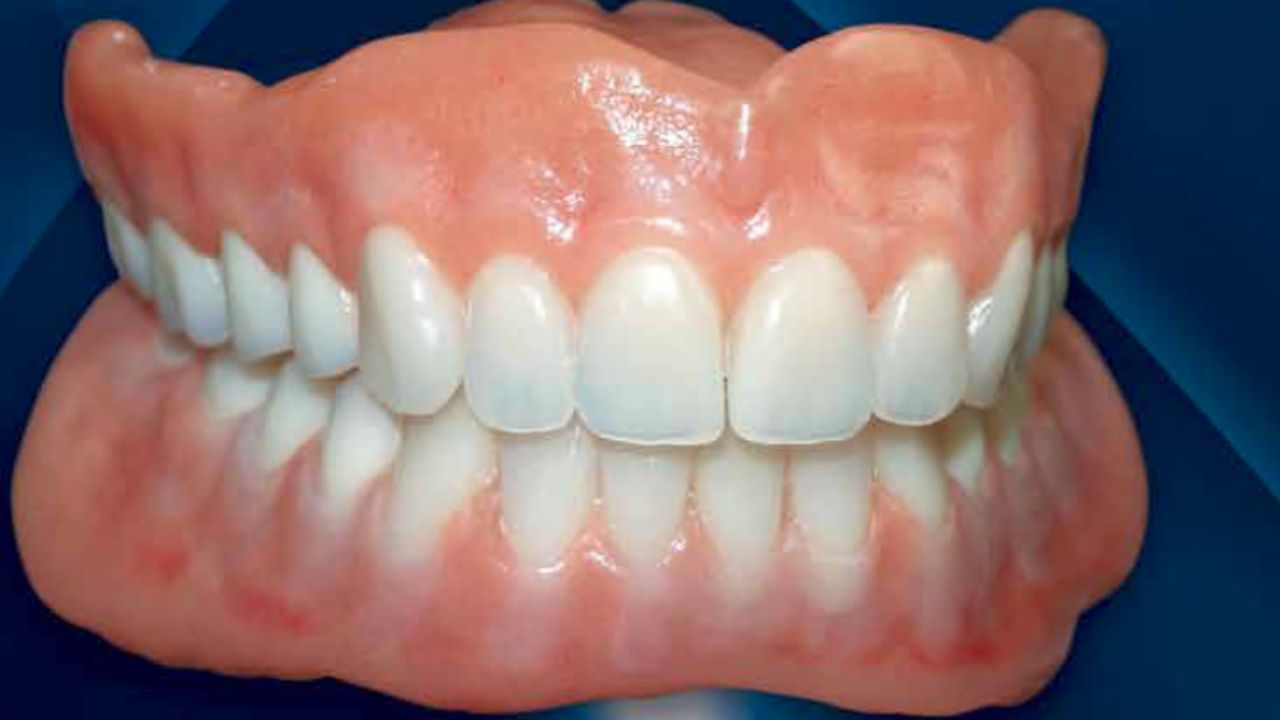
When it comes to removable prosthetics, acrylic teeth can have a major impact on the final result. While many people focus on the denture base, fit, or esthetics, the truth is that choosing the right acrylic teeth plays a big role in how a denture looks, functions, and holds up over time. For dental professionals and lab teams, selecting the right option is not just about shade and shape—it’s about balancing durability, esthetics, bite performance, and patient expectations.
One of the first things to consider is the patient’s functional needs. Not every denture patient is the same. Some need a highly esthetic solution for social confidence, while others need something that can better withstand heavier bite forces or years of wear. Acrylic teeth are popular because they bond well to the denture base, are easier to adjust, and are often more forgiving in removable workflows. But within acrylic teeth, there can be significant differences in layering, hardness, wear resistance, and overall quality depending on the manufacturer and product line.
Esthetics are often a top priority, especially for patients who are concerned about how natural their smile will look. Higher-end acrylic teeth often feature multi-layered construction, translucency, and more lifelike anatomy that better mimics natural dentition. These options can make a significant difference in the final appearance of a complete or partial denture. If a patient is highly appearance-conscious, choosing a premium tooth line may be worth the investment.
At the same time, durability and wear resistance should not be overlooked. Patients with stronger occlusion, parafunctional habits, or long-term wear expectations may benefit from acrylic teeth designed for improved wear characteristics. Lower-cost teeth may work in some cases, but if they wear quickly, lose anatomy, or compromise occlusion over time, the patient may end up dissatisfied. That can lead to adjustments, remakes, or a lower perception of the overall prosthetic quality.
Another key factor is case type and workflow compatibility. The right acrylic teeth should fit smoothly into the lab’s setup and the clinician’s treatment plan. Some tooth lines are easier to set, grind, contour, and polish, which can save valuable production time in the lab. Others may be preferred for specific esthetic setups or easier occlusal adjustments chairside. The best choice is often the one that not only looks good in the final denture, but also integrates efficiently into the full production workflow.
It’s also important to consider budget versus long-term value. A less expensive tooth may reduce upfront cost, but if it creates more labor, more adjustments, or lower patient satisfaction, the savings disappear quickly. In many cases, choosing the right acrylic tooth is less about buying the cheapest option and more about selecting the one that gives the best combination of performance, esthetics, and predictability.
In the end, choosing the right acrylic teeth for a denture is about matching the product to the patient and the workflow. When the right tooth is selected, the result is a denture that looks better, functions better, and delivers a better overall experience for everyone involved.